Barley
Barley is the hardiest of the major cereals — the grain that reaches highest up the mountains and furthest into cold, dry and salty ground. It ripens fast in a short cool season, feeding livestock and the world's beer and whisky from Russia to the Tibetan plateau.
How it grows
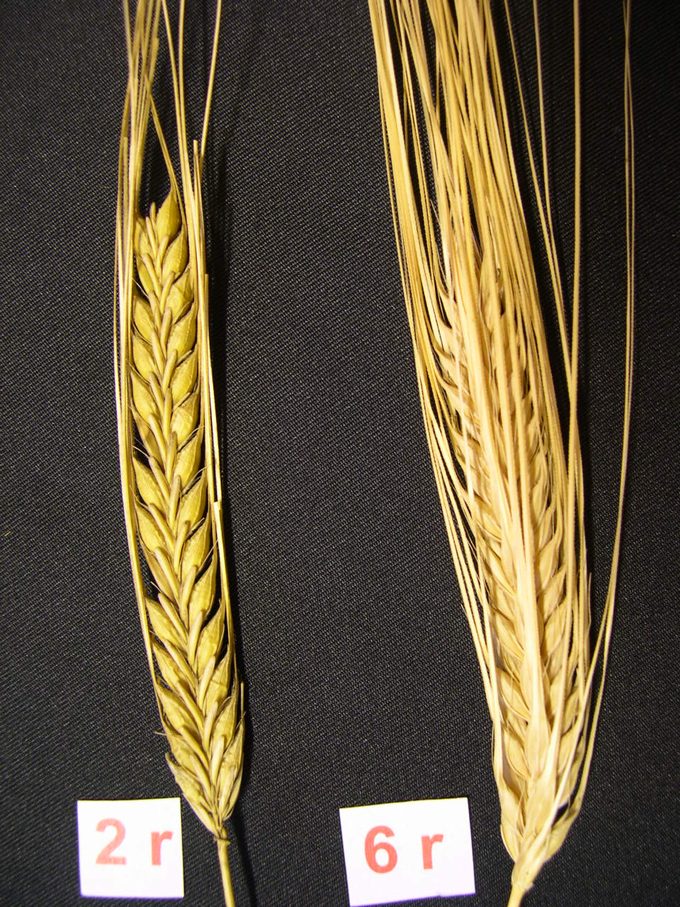

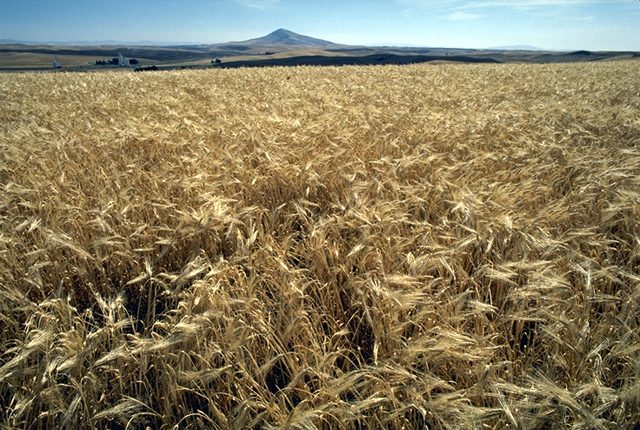

Barley is the grain packed into the seed-head atop a slender stalk.
What it’s worth to grow
Farm-gate value = the price farmers are paid per kilogram (FAOSTAT producer prices, median of 473 positive country-year observations spanning 2018–2024). It tracks how costly and labour-intensive a crop is to grow — almonds and vanilla command a premium; potatoes and cereals are cheap staples.
Where Earth's climate suits barley
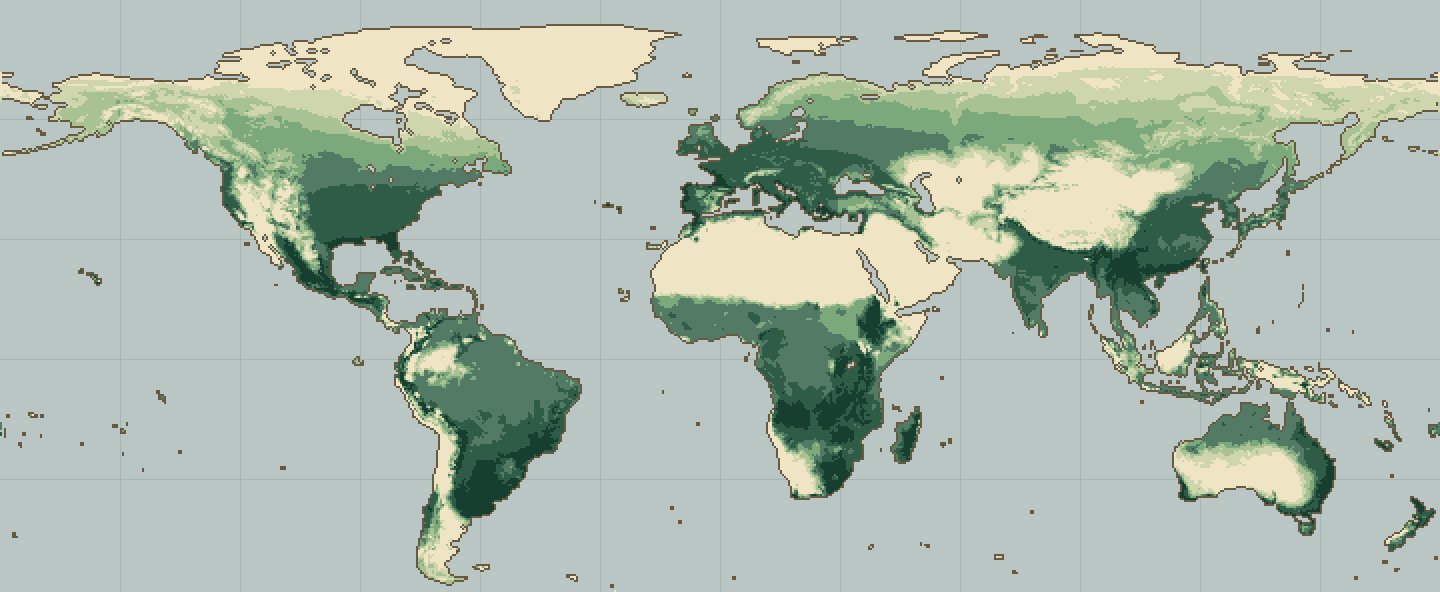
Climatic suitability only — scored for every 0.5° of the planet from this crop's temperature and rainfall tolerances (FAO EcoCrop) on AgroClim 1991–2025 normals (AgERA5 temperature, CHIRPS/ERA5 rainfall). It shows where the rain-fed climate permits the crop, not where it is grown today; irrigation lets many crops thrive in drier country than the map suggests (California, Egypt, the Indus and Nile).
Who grows it — and where the climate merely allows it
The climate where it grows
— mean monthly temperature ▍ monthly rainfall — averaged over the actual growing areas (the suitable cells) inside each country, so it reflects where the crop is really grown, not the national average. AgroClim 1991–2025 normals. The 🌧 badge is the last 3 months’ rainfall as a percentage of the 1991–2020 CHIRPS normal (through 2025-12) — the current drought/deluge signal.
Climate envelope · FAO EcoCrop
Deep bar = optimal range; pale bar = absolute tolerance. Beyond the pale bar the crop fails. Latitude tolerance ±70° · soil pH 6–8.
Growing calendar & hazards
Grown as autumn-sown winter barley in mild climates and spring-sown where winters are harsh; either way it ripens in early summer, ahead of wheat.
- Drought. The dry-margin cereal, but a spring drought still cuts it.
- Heat at grain-fill. Hot spells during ripening shrink the grain.
- Lodging & disease. Rich, wet conditions flatten the crop and bring leaf disease.