Radish
The radish is a fast cool-season root, ready to pull just weeks after sowing. From the tiny salad radish to the great East Asian daikon, it is a cool-weather garden and field crop grown around the world, above all in China and across East Asia.
How it grows
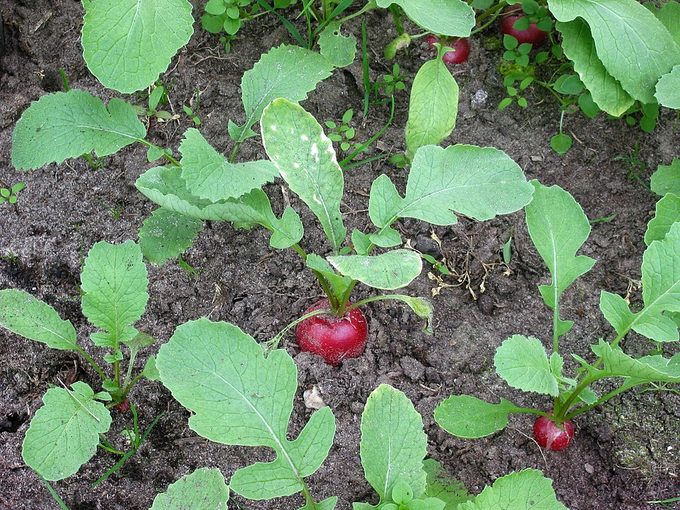
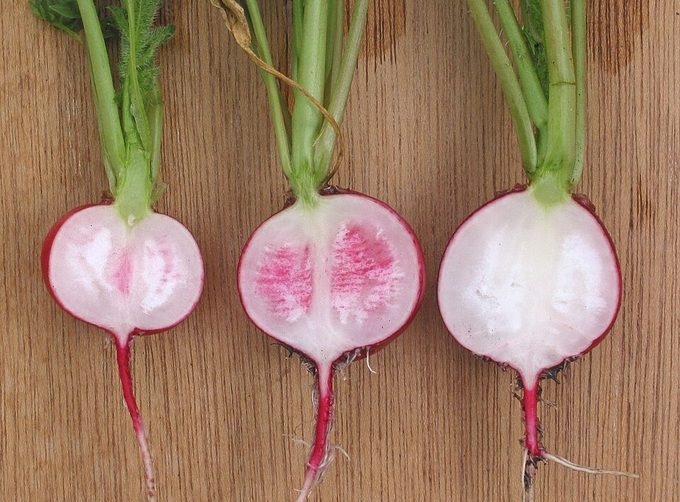


Radish is a root that swells below ground; only the leafy top shows above the soil.
Where Earth's climate suits radish
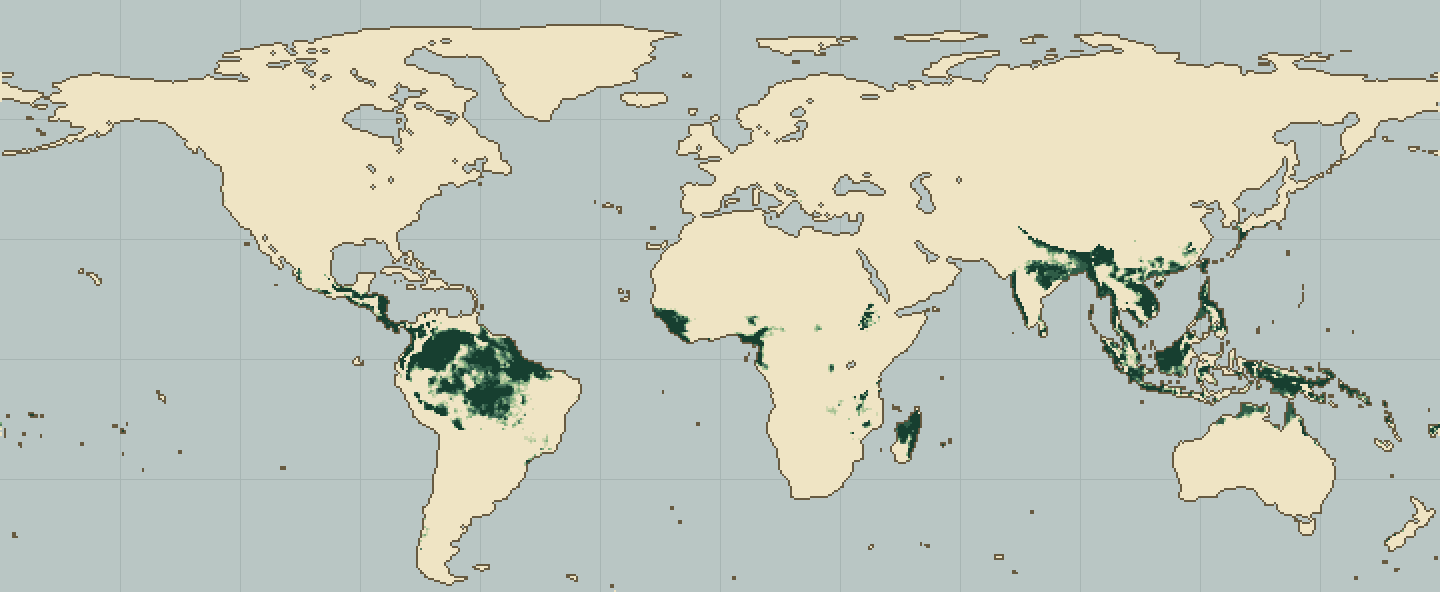
Climatic suitability only — scored for every 0.5° of the planet from this crop's temperature and rainfall tolerances (FAO EcoCrop) on AgroClim 1991–2025 normals (AgERA5 temperature, CHIRPS/ERA5 rainfall). It shows where the rain-fed climate permits the crop, not where it is grown today; irrigation lets many crops thrive in drier country than the map suggests (California, Egypt, the Indus and Nile).
Who grows it — and where the climate merely allows it
Climate envelope · FAO EcoCrop
Deep bar = optimal range; pale bar = absolute tolerance. Beyond the pale bar the crop fails. Latitude tolerance ±—° · soil pH 4.3–8.3.
Growing calendar & hazards
A quick cool-season crop sown in spring and autumn — often several times a season — and harvested in as little as three to eight weeks; it bolts and turns woody in summer heat.
- Heat. Warm weather makes the roots pithy and pungent and sends the plant to seed.
- Drought. Uneven watering splits and toughens the roots.
- Flea beetles. Seedlings are riddled by flea beetles in warm, dry spells.