Potato
The potato is a cool-climate tuber from the high Andes, and it still likes what the mountains gave it: mild days, cool nights, and no extreme heat. That is why it belts the cool temperate world and climbs to the tropical highlands nearer the equator.
How it grows
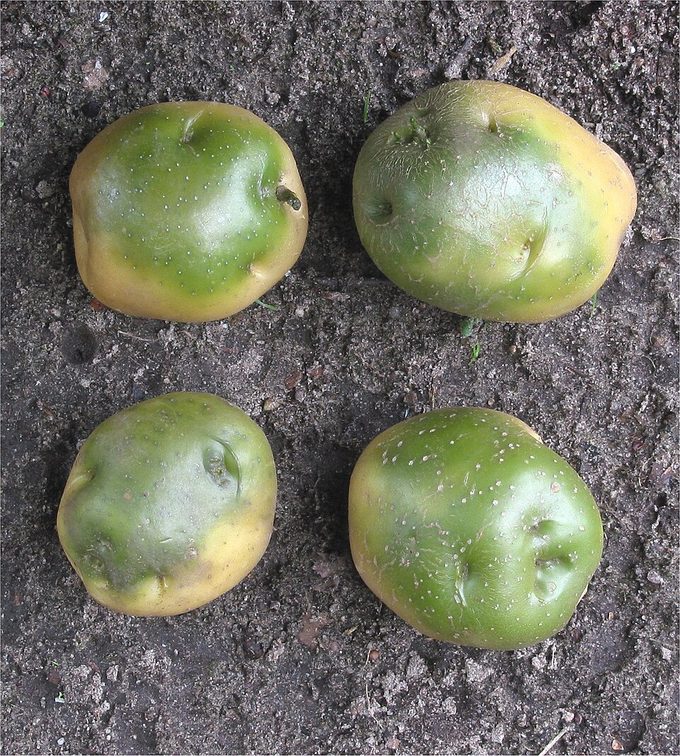

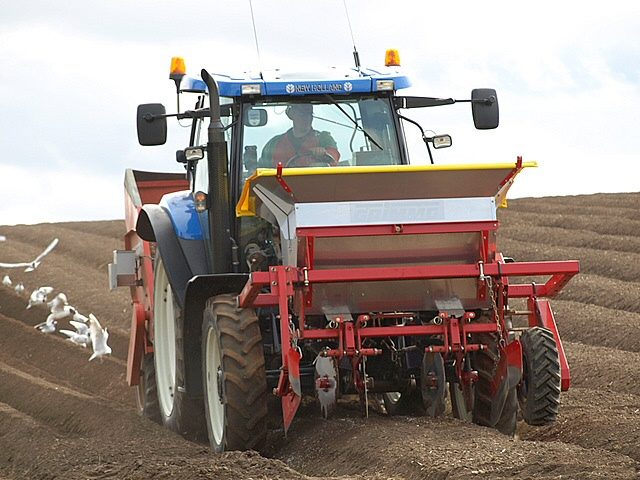

Potato is a tuber that forms underground on the plant's roots.
What it’s worth to grow
Farm-gate value = the price farmers are paid per kilogram (FAOSTAT producer prices, median of 692 positive country-year observations spanning 2018–2024). It tracks how costly and labour-intensive a crop is to grow — almonds and vanilla command a premium; potatoes and cereals are cheap staples.
Where Earth's climate suits potato
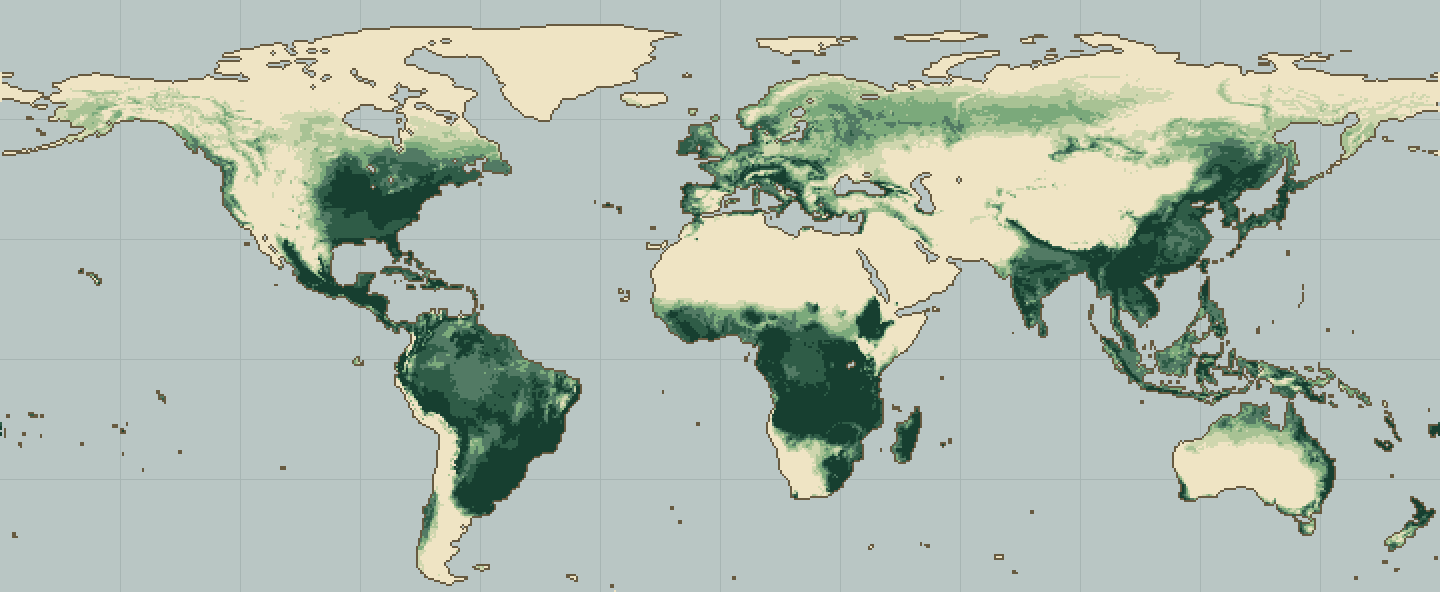
Climatic suitability only — scored for every 0.5° of the planet from this crop's temperature and rainfall tolerances (FAO EcoCrop) on AgroClim 1991–2025 normals (AgERA5 temperature, CHIRPS/ERA5 rainfall). It shows where the rain-fed climate permits the crop, not where it is grown today; irrigation lets many crops thrive in drier country than the map suggests (California, Egypt, the Indus and Nile).
Who grows it — and where the climate merely allows it
The climate where it grows
— mean monthly temperature ▍ monthly rainfall — averaged over the actual growing areas (the suitable cells) inside each country, so it reflects where the crop is really grown, not the national average. AgroClim 1991–2025 normals. The 🌧 badge is the last 3 months’ rainfall as a percentage of the 1991–2020 CHIRPS normal (through 2025-12) — the current drought/deluge signal.
Climate envelope · FAO EcoCrop
Deep bar = optimal range; pale bar = absolute tolerance. Beyond the pale bar the crop fails. Latitude tolerance ±60° · soil pH 4.2–8.5.
Growing calendar & hazards
Grown as a frost-free-season annual: planted in spring in temperate zones and lifted before hard frost; in the subtropics it is a cool-season winter crop.
- Frost. Frost blackens the foliage; the tubers themselves rot if frozen in the ground.
- Heat. Nights above ~20°C stop tubers bulking — the tropical-lowland limit.
- Late blight. Cool, wet weather brings the blight that caused the Irish famine; it can still destroy a crop in days.